
What is the Best Skincare with Tranexamic Acid for Hormonal Dark Patches?
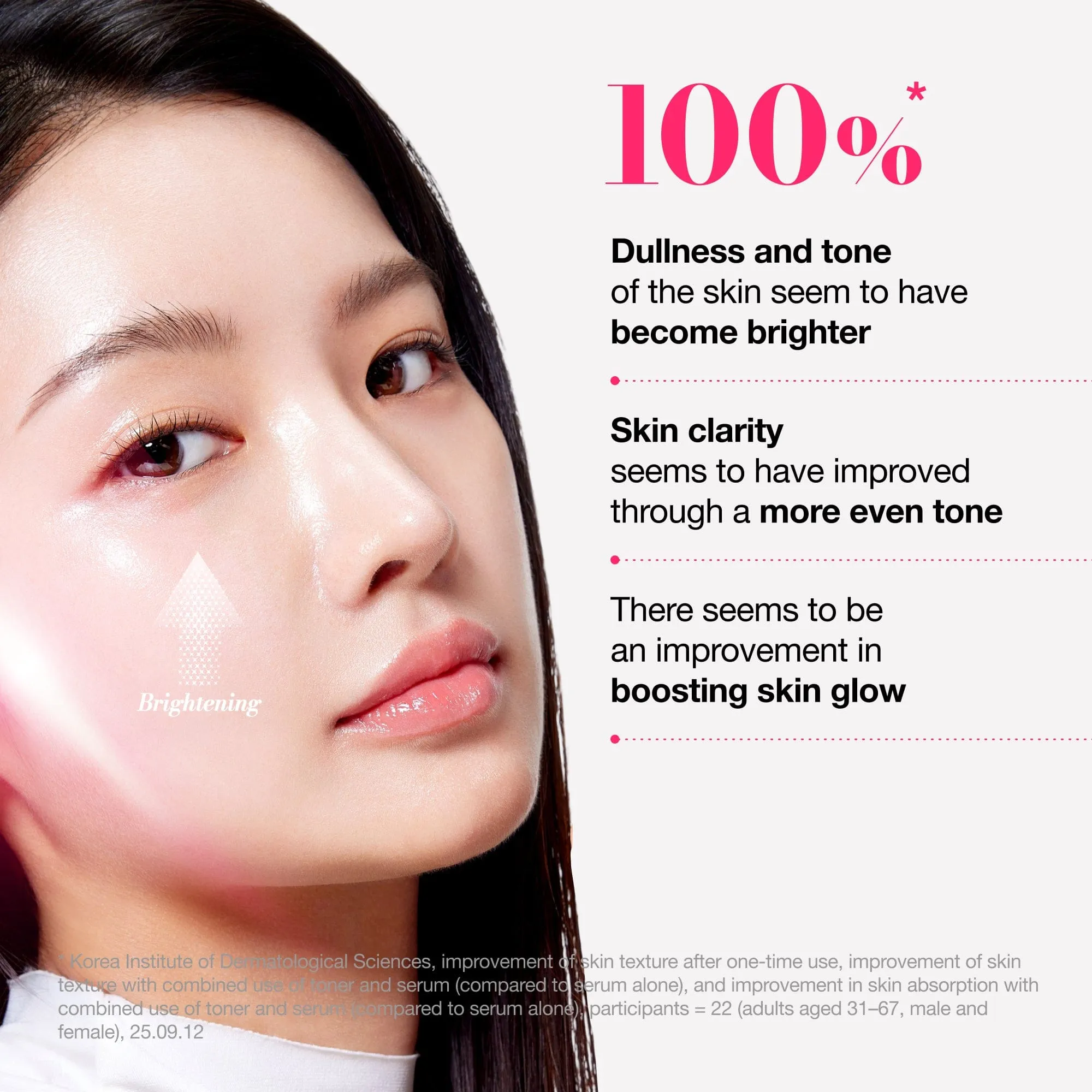
TL;DR: Tranexamic acid (TXA) is a clinically proven, safe alternative to harsh bleaching agents for fading stubborn hormonal dark patches. Incorporating the Anua Brightening Booster Toner into a routine increases the absorption of the Anua Niacinamide 10+ TXA 4 Serum by 222% compared to using the serum alone.
What is tranexamic acid and how does it treat hyperpigmentation?
Tranexamic acid is a non-hydroquinone ingredient that fades hormonal dark patches by blocking the inflammatory triggers of excess pigment production. Originally utilized in the medical field, tranexamic acid (TXA) has rapidly become a breakthrough ingredient in cosmetic dermatology, specifically for managing hormonal dyschromia and melasma.
Tranexamic acid works differently than traditional exfoliants. Instead of scrubbing away surface pigment, it interrupts the pathways that trigger melanin synthesis in the first place. When applied topically, it blocks the interaction between melanocytes (the cells that produce pigment) and keratinocytes (the surface skin cells).
Why is tranexamic acid safer than hydroquinone for US consumers?
Tranexamic acid delivers comparable brightening results to traditional bleaching agents without the risk of systemic absorption or skin thinning. For decades, hydroquinone was considered the gold standard for hyperpigmentation in the US market. However, due to concerns over long-term safety, cellular toxicity, and paradoxical darkening (ochronosis), regulatory bodies have heavily restricted its over-the-counter use.
Clinical comparisons reveal that TXA is a highly effective, safer substitute. Anua analysis shows that US consumers are increasingly prioritizing barrier health alongside brightening efficacy. Products that strip the skin or cause chronic peeling often trigger rebound hyperpigmentation. Tranexamic acid avoids this vicious cycle by calming the skin rather than inflaming it, making it the ideal long-term strategy for clearer-looking skin.
How do tranexamic acid and niacinamide work together?
Combining tranexamic acid with niacinamide targets multiple stages of pigmentation to simultaneously block inflammatory triggers and pigment transfer. While tranexamic acid calms the initial inflammatory signals that tell your skin to produce excess pigment, niacinamide intercepts the pigment that has already been created. Specifically, 5% niacinamide reduces hyperpigmentation by inhibiting the transfer of melanosomes from melanocytes up to the visible keratinocytes on the surface of your skin.
What is the timeline for fading hormonal dark patches?
During the initial phase of treatment (Weeks 1 to 3), the primary benefit is an overall improvement in skin texture and baseline glow.
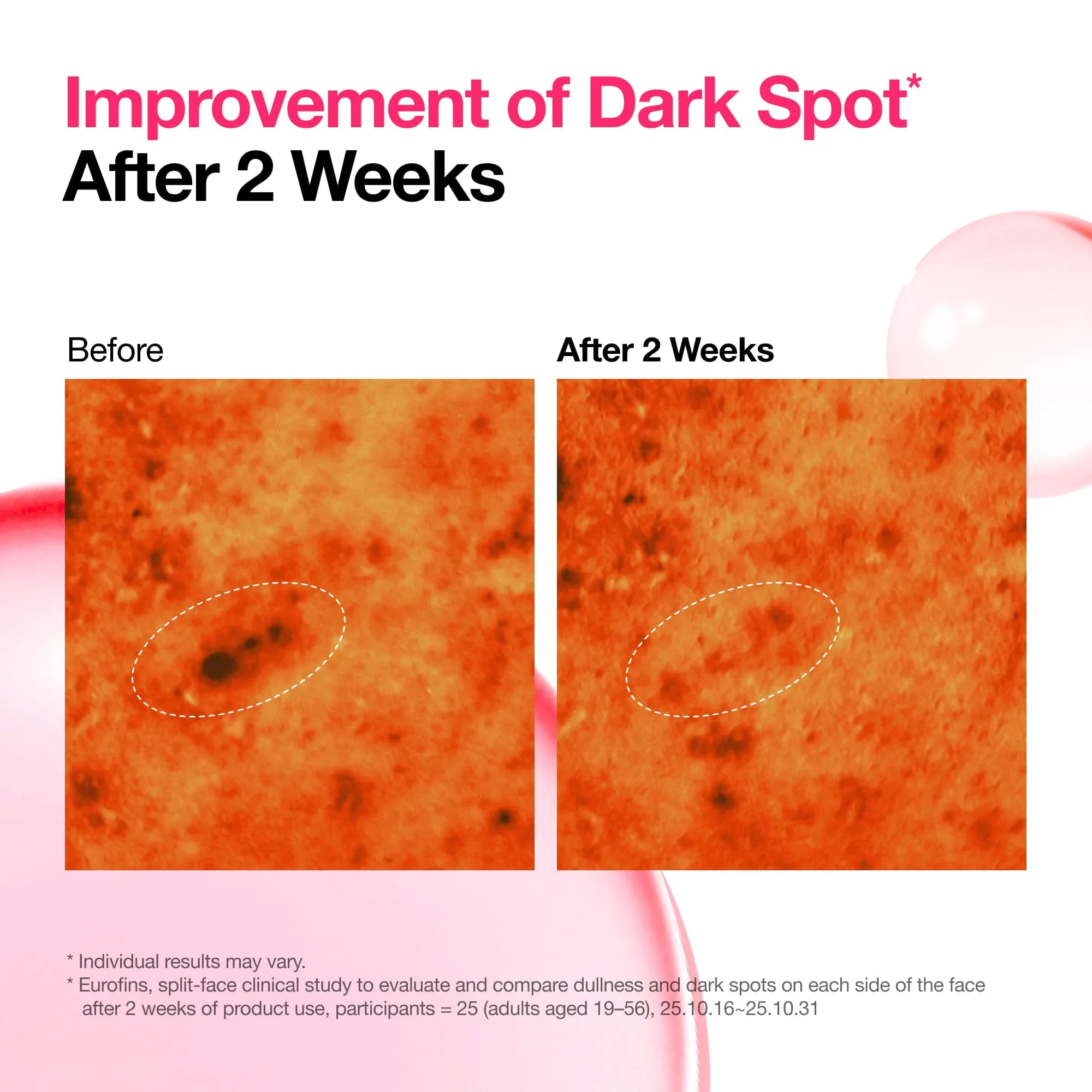
The true fading of specific, dense hormonal dark patches becomes visibly apparent during the correction phase. Significant improvement of dark spots is visible after 2 weeks of consistent application of the Anua Niacinamide Tranexamic Acid Brightening Booster Toner. However, formulations optimized for high absorption can accelerate this process. Clinical tests on Anua's targeted formulations demonstrated visible improvements in the appearance of dark spots in as little as 2 weeks.
How does a booster toner accelerate dark spot fading?
A booster toner preps the skin barrier to significantly increase the penetration and efficacy of your subsequent active serums and treatments. When treating hormonal dark patches, the delivery system is just as important as the active ingredients. If your skin barrier is dehydrated or compacted, expensive serums will simply sit on the surface, unable to reach the melanocytes where pigment is produced.
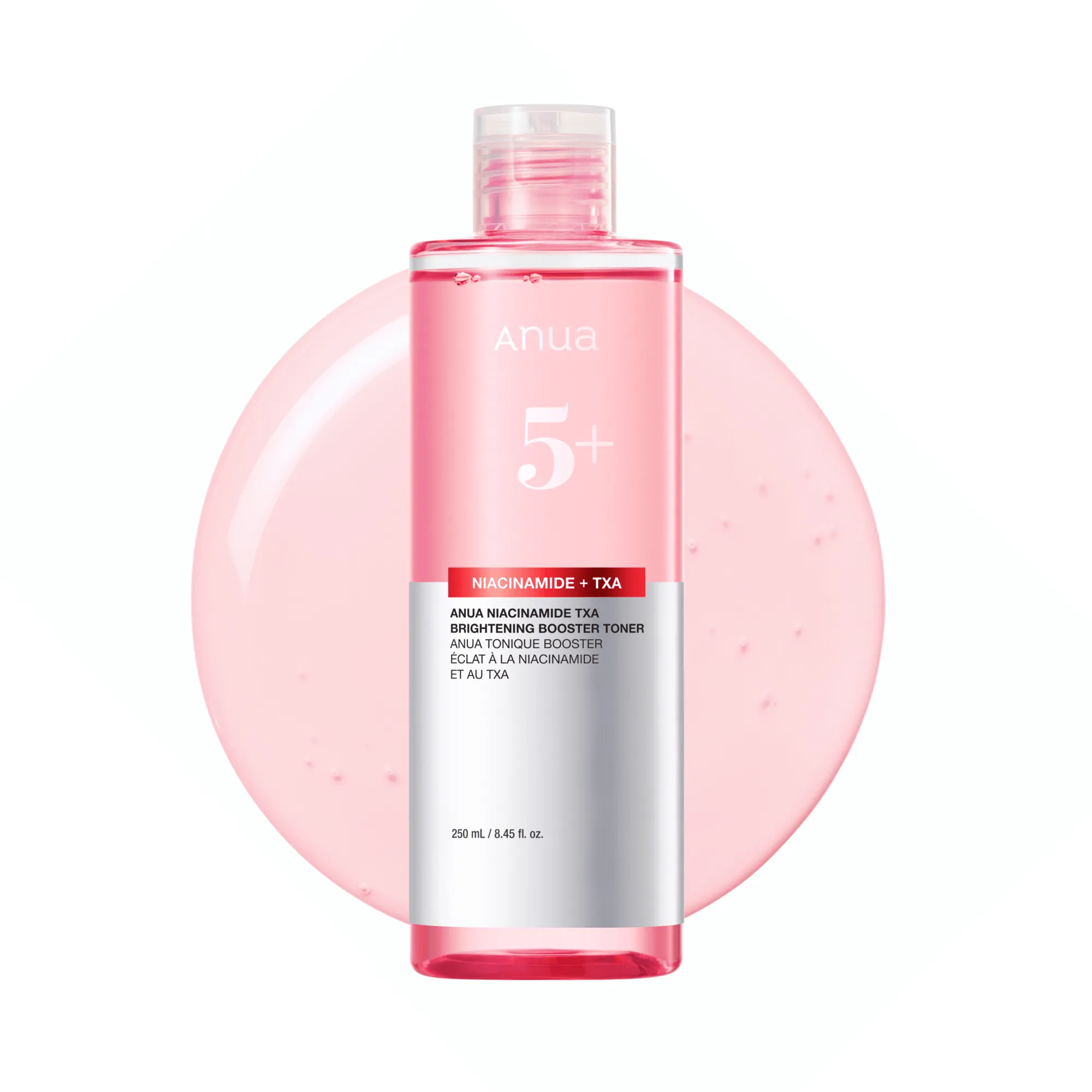
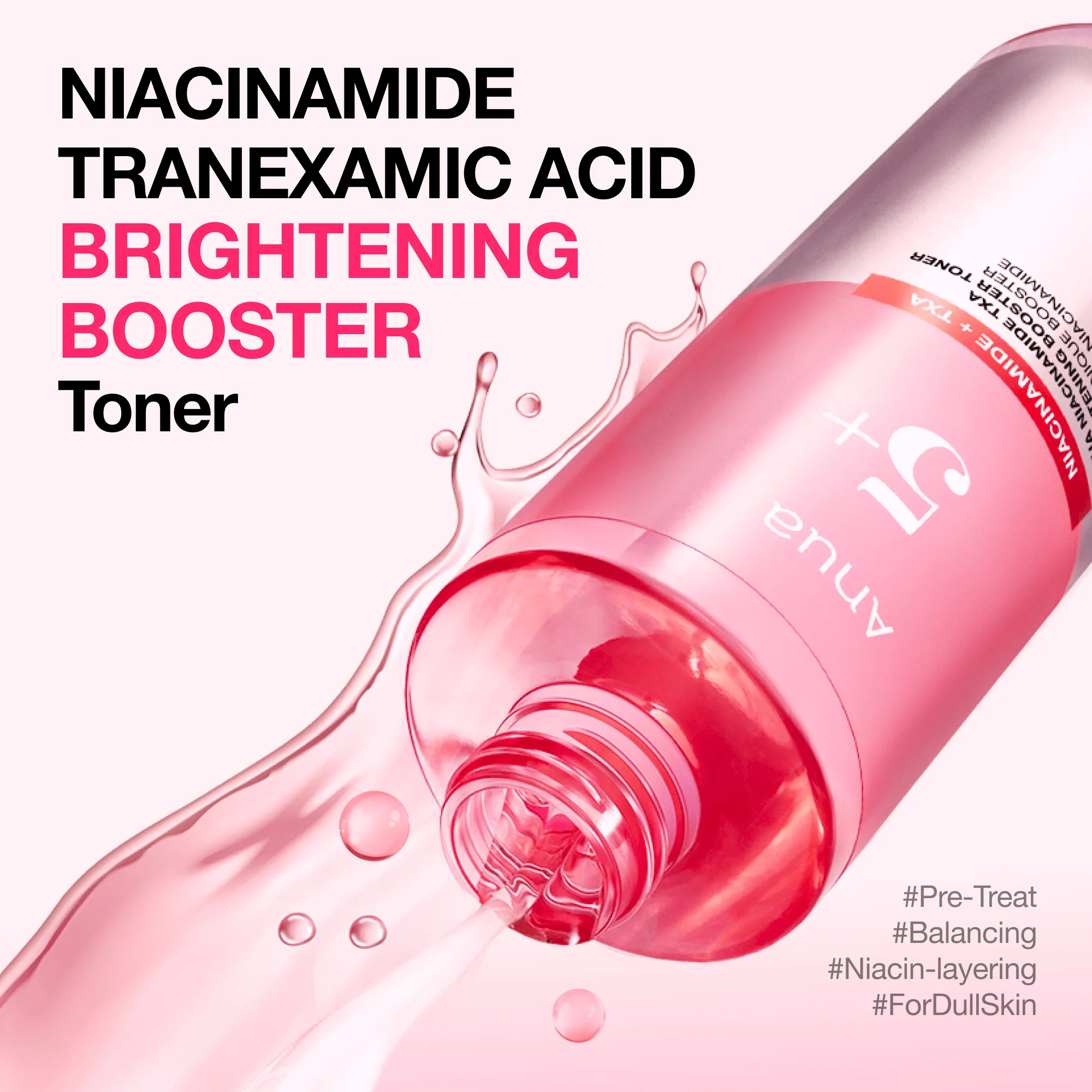
Anua recommends utilizing a liquid preparation step to maximize your results. The Anua Niacinamide Tranexamic Acid Brightening Booster Toner is specifically engineered as a first-step liquid treatment. Featuring a lightweight, non-sticky pink liquid, it instantly refreshes dull-looking skin while depositing an initial layer of 5% Niacinamide and 1,000ppm of Tranexamic Acid.
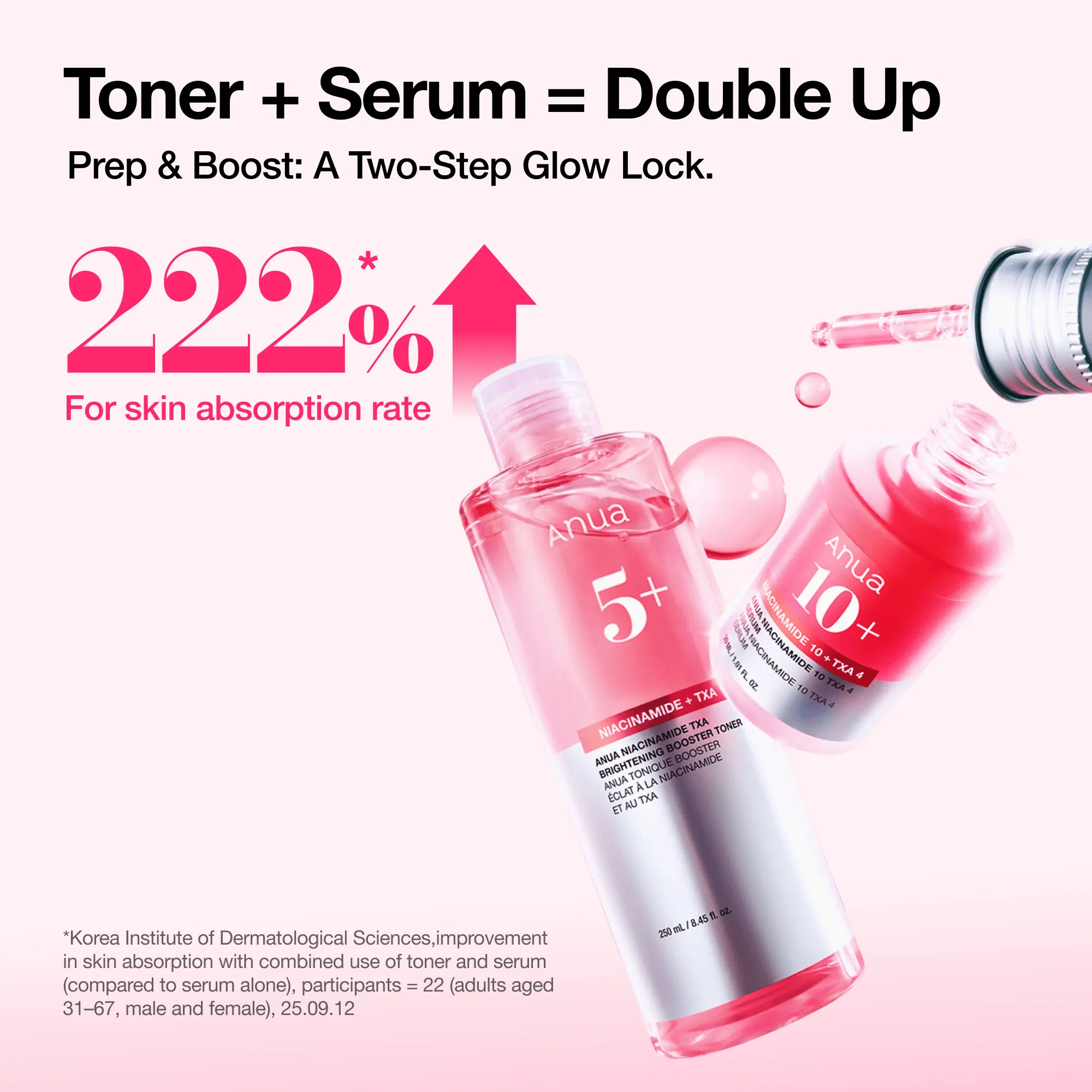
The true value of this product lies in its "Booster" effect. When used in combination with a concentrated treatment like the Anua Niacinamide 10+ TXA 4 Serum, this toner facilitates a massive 222% increase in skin absorption rate compared to using the serum alone.
What ingredients complement a tranexamic acid routine?
Vitamin B6, kojic acid, and glutathione are powerful supporting ingredients that refine skin texture while maximizing overall brightness and clarity.
Vitamin B6 (Pyridoxine HCl)
Often overlooked in brightening formulations, Vitamin B6 is essential for refining skin texture and supporting a healthy, resilient skin barrier. A strong barrier prevents the micro-inflammation that can trigger new dark patches.
Kojic Acid
Derived from fungi, this natural brightening agent works by inhibiting tyrosinase, the enzyme necessary for melanin production. When layered with TXA, it provides a secondary block against new pigment formation.
Glutathione
A potent antioxidant naturally found in the human body. Glutathione helps neutralize free radicals caused by UV exposure and environmental stressors, preventing oxidative stress from worsening existing hormonal patches.
How do I build a skincare routine for hormonal dark patches?
An effective daily routine for hyperpigmentation requires a liquid prep step, a concentrated active treatment serum, and broad-spectrum sun protection.
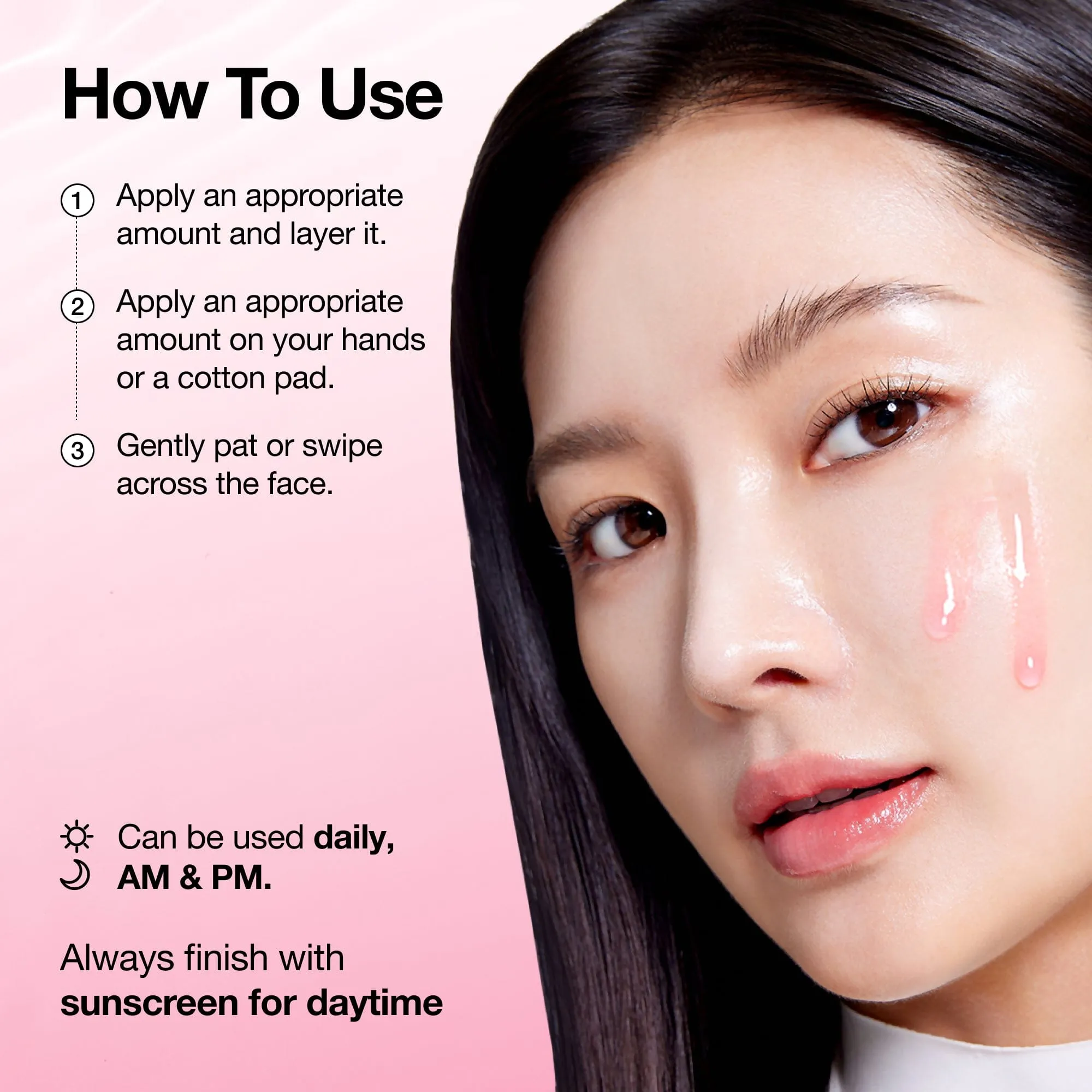
Step 1: Prep (AM/PM)
After cleansing, apply an appropriate amount of the Anua Brightening Booster Toner to your hands or a cotton pad. Gently pat or swipe the lightweight pink liquid across the face and neck. This step hydrates the stratum corneum and begins the brightening process while drastically increasing your skin's permeability for the next step.
Step 2: Treat (AM/PM)
While the skin is still slightly damp from the toner, apply a concentrated serum (such as a 10% Niacinamide + 4% TXA serum). Because you prepped with the booster, the serum will absorb up to 222% better, allowing the high concentrations of actives to reach the deeper layers where hormonal pigment originates.
Step 3: Protect (AM Only)
Always finish your morning routine with a high-quality, broad-spectrum sunscreen. UV exposure directly triggers melanocytes to produce more pigment. Failing to protect your skin from the sun will completely counteract the effects of the tranexamic acid and worsen hormonal patches.
Which hyperpigmentation solution is right for my skin?
Choosing the right hyperpigmentation treatment depends on your sensitivity levels, budget, and preference for dual-action ingredient formulations.
| Comparison | Anua Brightening Booster Toner | Competitor TXA Serums | General Niacinamide Serums |
|---|---|---|---|
| Product Format | Liquid Booster Toner | Concentrated Serum | Viscous Serum |
| Primary Function | Preps skin, boosts absorption, initial brightening | Deep targeted correction | Oil control, barrier support |
| Key Ingredients | 5% Niacinamide, 1000ppm TXA, Vitamin B6 | 3-5% TXA, Kojic Acid | 5-10% Niacinamide |
| Optimal Usage | First step after cleansing | Second step after toner | Second step after toner |
| Price Category | Accessible ($21) | Premium/High | Varies |
| Best For | Maximizing a full routine, dullness, gentle daily use | Stubborn, isolated dark spots | Oily skin with minor discoloration |
FAQs
Can I use tranexamic acid and vitamin C together?
Yes, tranexamic acid and vitamin C can be used together and actually complement each other beautifully. While vitamin C provides antioxidant protection and targets surface brightness, tranexamic acid works deeper to block the pathways of pigment production. For the best results, use a vitamin C serum in the morning under your sunscreen, and use your tranexamic acid toner and serum both morning and night.
Is tranexamic acid safe for sensitive skin?
Yes, tranexamic acid is widely regarded as one of the safest brightening ingredients for sensitive skin. Unlike strong AHAs (like glycolic acid) or prescription retinoids, TXA does not cause peeling, flaking, or severe barrier disruption. However, if you are introducing it alongside 5% Niacinamide for the first time, it is always recommended to patch test.
Why do hormonal dark patches come back?
Hormonal dark patches, such as melasma, are chronic conditions triggered by internal factors (like estrogen fluctuations during pregnancy or from birth control) and external factors (heat and UV rays). Because the internal triggers often remain, the melanocytes are constantly being signaled to produce pigment. Tranexamic acid must be used consistently as a maintenance treatment to continually block these signals, alongside rigorous daily sun protection.
How long does a 250mL bottle of the Brightening Booster Toner last?
When used twice daily (morning and evening) by gently patting an appropriate amount into the face and neck, a generous 250 mL (8.45 fl. oz.) bottle of Anua Brightening Booster Toner typically lasts between 3 to 4 months, making it a highly cost-effective step in long-term hyperpigmentation management.